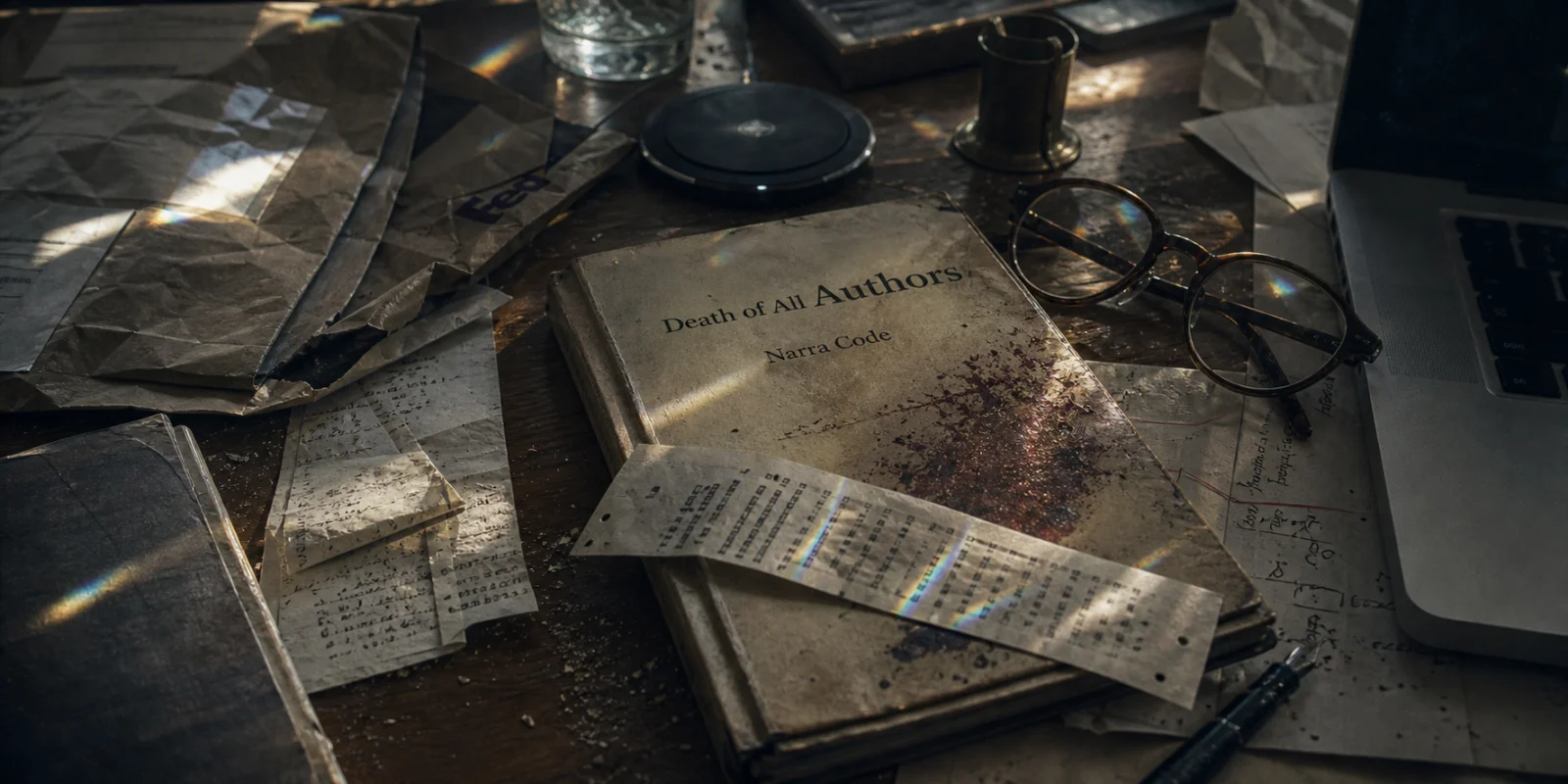
Narracode arises from an inquiry: can we build a literature AI-augmentation system on the same model as Claude Code? One that is structured, algorithmic, agentic — but for literary purposes?
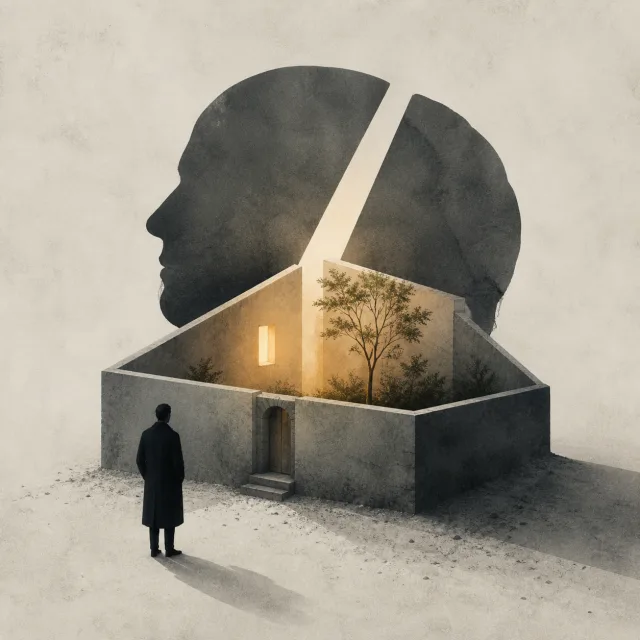
Historically, AI falls into 2 camps: symbolic AI (plans, templates, expert systems) and connectionist AI (neural networks, large language models). Narracode is an attempt to bridge this gap. It is a neurosymbolic approach to narrative generation. It is a tool for orchestrating agents specifically for literary purposes.
Narracode emerged from the realization that the intrinsic embodied complexity of nuanced narrative might become computationally tractable by recursively entwining a LLM with a symbolic harness that is somewhat analogous to a 'Claude Code' re-purposed for narrative literature.
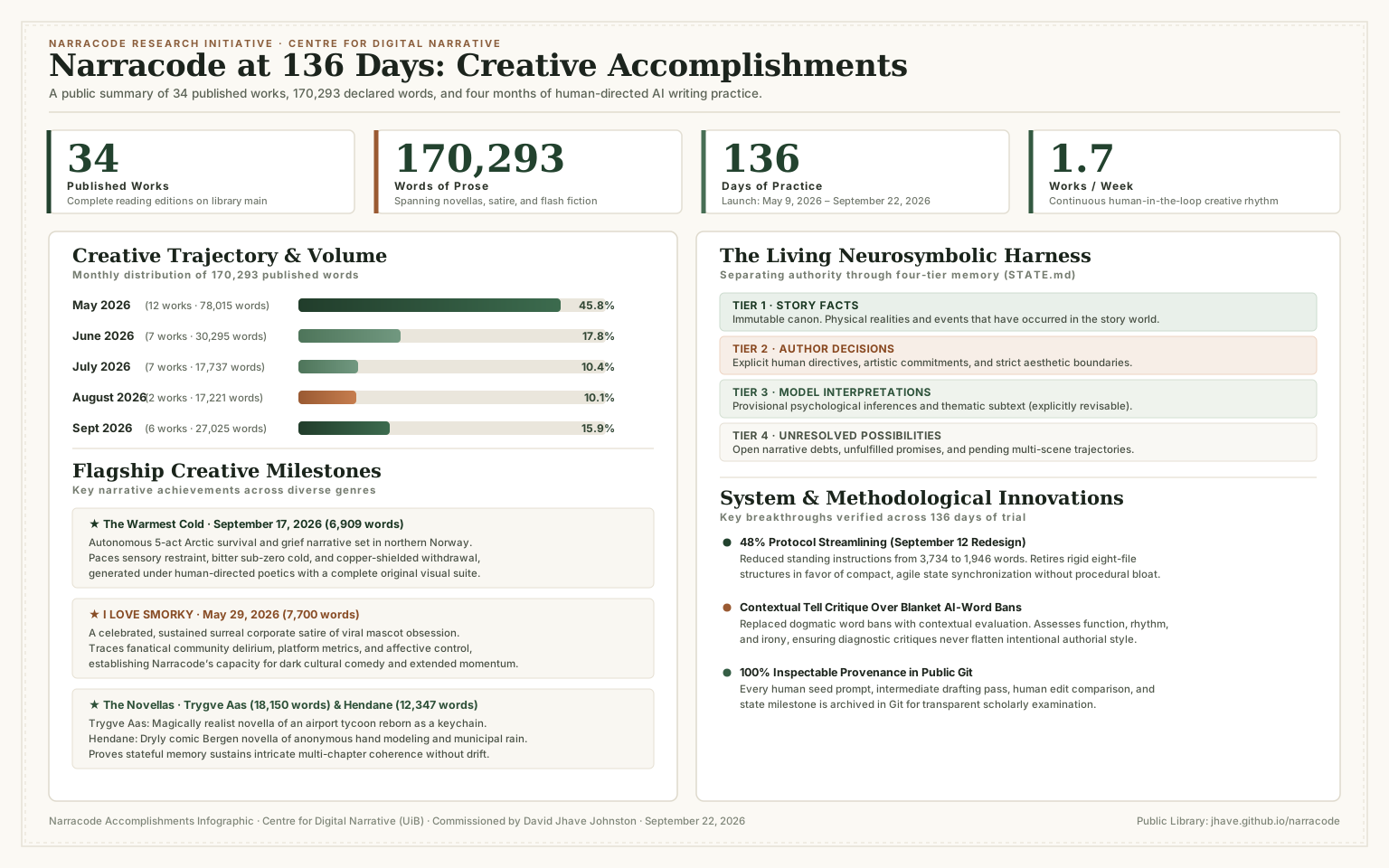
Narracode is a human-directed writing protocol. It separates initiation, reading, composition, state synchronization, and review into distinct passes, performed by the model and runtime actually in use.
A compact STATE.md keeps four things separate: story facts, author decisions, model interpretations, and unresolved possibilities. POETICS.md records artistic commitments; ATTRIBUTION.md records authorship and model provenance.
Drafting normally ends with a stop. Review is requested for a particular question; tell scans assess function in context. Explicit AUTO_MODE can chain scenes and state updates through one final review. Saved versions preserve human edits and earlier choices.
Read the current harness · Explore its history · Read the September 22 report










David Jhave Johnston is a digital poet working in emergent domains. Author of ReRites (Anteism, 2019) and Aesthetic Animism (MIT Press, 2016). He is currently an AI-narrative researcher at the UiB Centre for Digital Narrative (2023–27) with the Extending Digital Narrative project.
This work was partially supported by the Research Council of Norway through its Centres of Excellence scheme, project number 332643 (Center for Digital Narrative), and its SAMKUL project scheme, project number 335129 (Extending Digital Narrative).


